Alto Paraíso de Goiás
Begins February 12
On the high plateau of the Chapada dos Veadeiros.
Five or ten nights in Brazil, held by Gabonese elders of the Bwiti tradition and carried from dusk to sunrise by the sacred harp.
Every retreat opens the same way: a day to settle in, two ceremony nights, and a day of rest. Then you either go home, or you move with the group to a second site for five nights of integration.
After two ceremony nights, many people do not have the fuel to travel or move around on their own. Airports, traffic, and decisions arrive too soon. The second five nights give the ceremony time to land, with the community still around you, and turn what opened into a plan for the life you go home to.
On the high plateau of the Chapada dos Veadeiros.
In the forested hills of the Serra da Mantiqueira.
In Brazil's northeast. Venue details are shared when we speak.
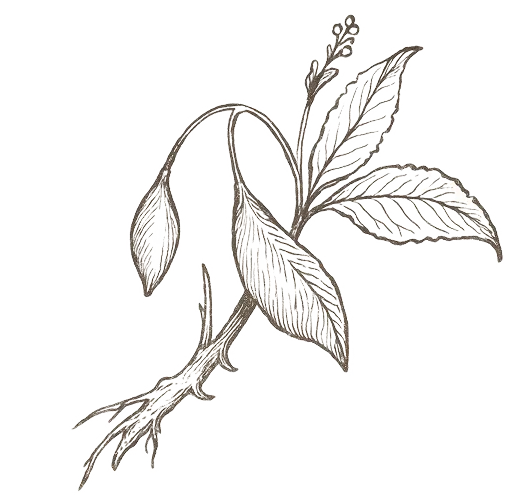
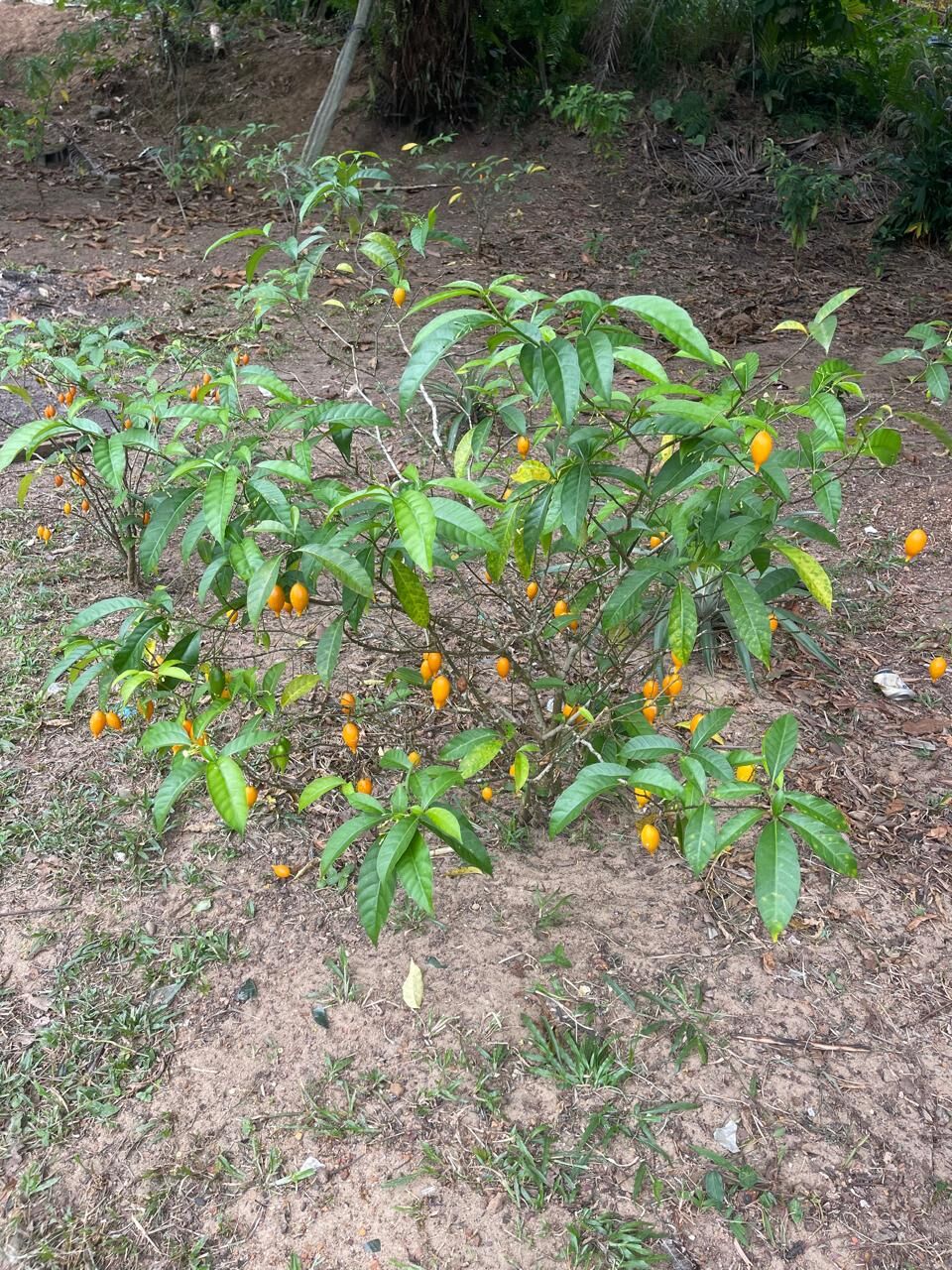
In Bwiti, iboga is not taken casually and it is not taken alone. It is taken inside a ceremony, at night, in a group, with elders who have been initiated themselves and who know what the plant does to a person over the course of a long night.
The word for what happens here is initiation. You arrive as one thing and you leave having crossed something. The tradition marks that crossing deliberately: with fasting, with washing, with silence, with music, and with two ceremonies that are named for what they ask of you.
This is not a wellness programme with a plant attached to it. The structure is older than the language we use to describe it, and the retreat follows the structure rather than rewriting it for a modern audience.
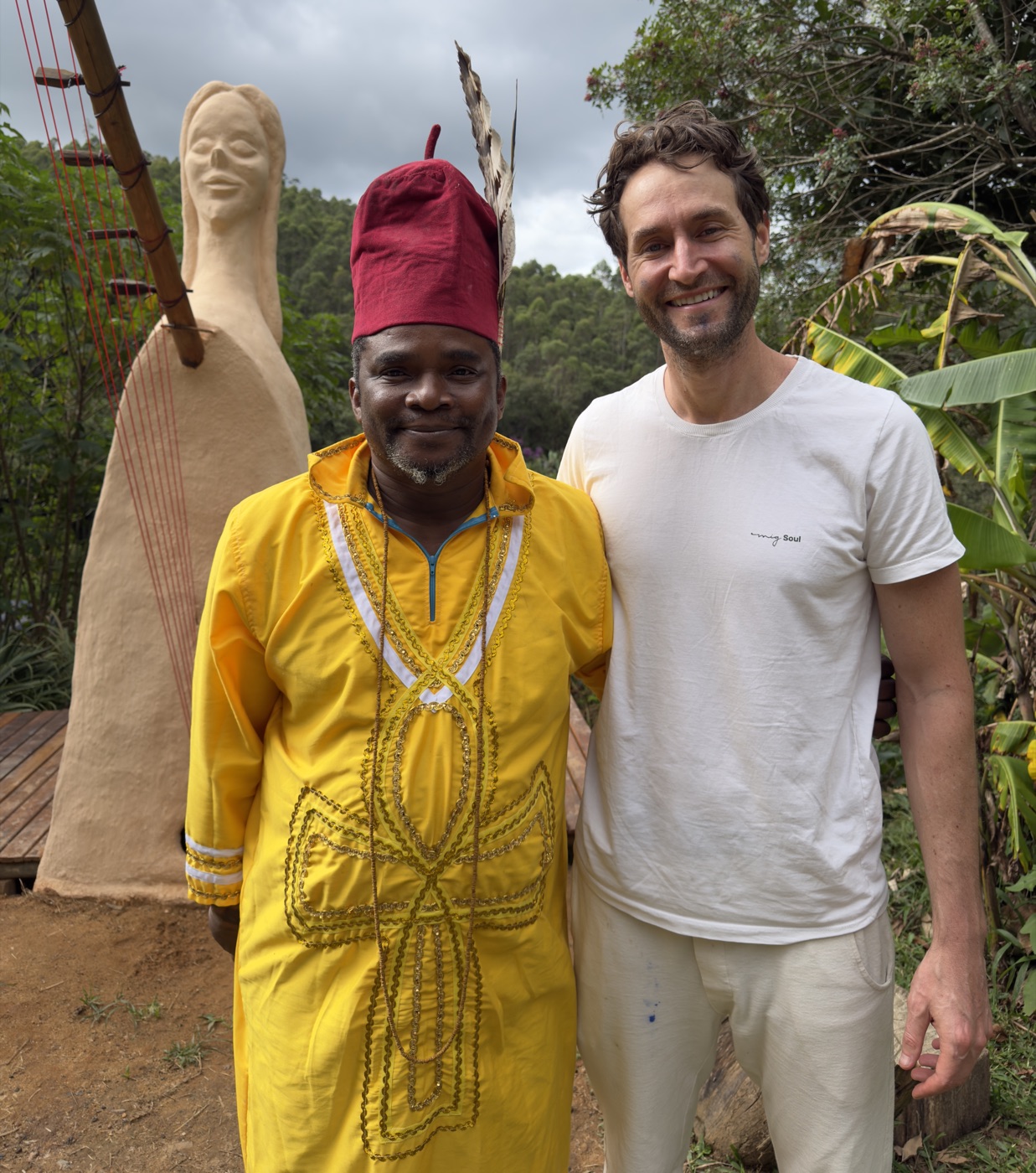
Music is not atmosphere in a Bwiti ceremony. It is the method. Most of what you hear through the night is the ngombi, the sacred harp of Gabon, played by Cedric Akuma, a Bwiti master and master harpist. Voices, rattles, and the mougongo mouth-bow join it.
In Bwiti the harp is more than an instrument. Cedric describes it as the interpreter between people and the divine: it carries prayers upward and brings their answers back. It speaks three languages, he says: birth, death, and resurrection.
For most people this is the part they did not expect and do not forget: being carried through a very long night on sound, by people who are awake the whole time you are.
The retreat is built as a single arc: a day to settle in, two ceremony nights, a day of rest, and then, for those staying ten nights, a move to a second location for integration.
Arrive, meet the community, eat lightly, and sleep. Nothing is asked of you yet beyond arriving properly.
The Night of Death, the night for what has to be put down. The ceremony runs through the night with live music.
The Night of Rebirth. The same rhythm and the same music. Where the first night clears, this one asks what will stand in the space.
Sleep, food, and quiet. Most people sleep a great deal.
The group moves to a new location for the integration days.
For those staying ten nights, held entirely in English. An intensive period of rebuilding your future while you are still clear from the iboga's cleansing, with slow days, good food, and time in nature around it.
On leaving, prioritise introspection, silence, good food, and rest. Avoid highly stimulating environments, bright lights, loud noise, and large numbers of people for the first few days. Read the integration guide.
The retreat is a communal experience. There are usually around 15 participants and around 20 people supporting the ceremony, so that each person has real attention from the elders and the initiated assistants at every stage.
More than a rite of passage, Bwiti is a call to reconnect with the ancestral wisdom already inside you, and to see yourself from a state of clarity. The Bwiti Tradition
Not everyone who asks should come, and not everyone who should come is ready this year. The first conversation is about timing, intention, health, and honest fit.